The Importance of Staying Physically & Mentally Active in Retirement
More and more studies are uncovering ways older adults and seniors can enjoy a happier and healthier life through exercise and social connection. This blog post will discuss the ways active seniors can help ensure their future is more engaging and enjoyable.
Why is it Important for Older Adults to be Active?
Staying physically and mentally active in retirement helps seniors achieve better health, maintain and even improve cognitive function and enjoy a more socially connected lifestyle. Here are some key advantages of active living for older adults:
- Improved overall health: Active seniors who regularly exercise have reduced risks of chronic illnesses and diseases along with improved immune and digestive systems.
- Helps manage body weight: Everyone’s metabolism naturally slows with age, and getting to and maintaining a healthy weight requires both regular physical activity and healthy eating. To maintain your weight, do moderate physical activity — like walking, dancing or yard work — for 150 minutes a week. If you want to lose weight and keep it off, you’ll need to raise your physical activity level and reduce the number of calories you’re eating and drinking.
- Increases bone health and strength: Regular physical activity helps build and maintain bone strength. When you exercise, your bone adapts by building more cells and becomes denser. Lifting weights can also help you increase or maintain your muscle mass and strength. Slowly increasing the amount of weight and number of repetitions you do as part of your muscle strengthening activities will give you even more benefits.
- Better heart and cardiovascular health: You can help reduce your risk of heart disease and enhance your cardiovascular health with frequent physical activity. It can also help lower your blood pressure and improve your cholesterol levels.
- Improves mental health: Exercising frequently leads to a variety of mental health benefits including helping fight depression and reducing stress.
- Promotes better sleep: Adding regular aerobic exercise to your day promotes deeper sleep by raising your core body temperature and encouraging rest when you start to cool down. Sleep is essential in supporting your brain, hormones, lungs, blood pressure, cardiovascular system, immunity and appetite.
- Reduce hypertension: Just adding 30 minutes or more of moderate aerobic exercise, five times a week will help lower your blood pressure, decreasing the risk of some cardiovascular problems.
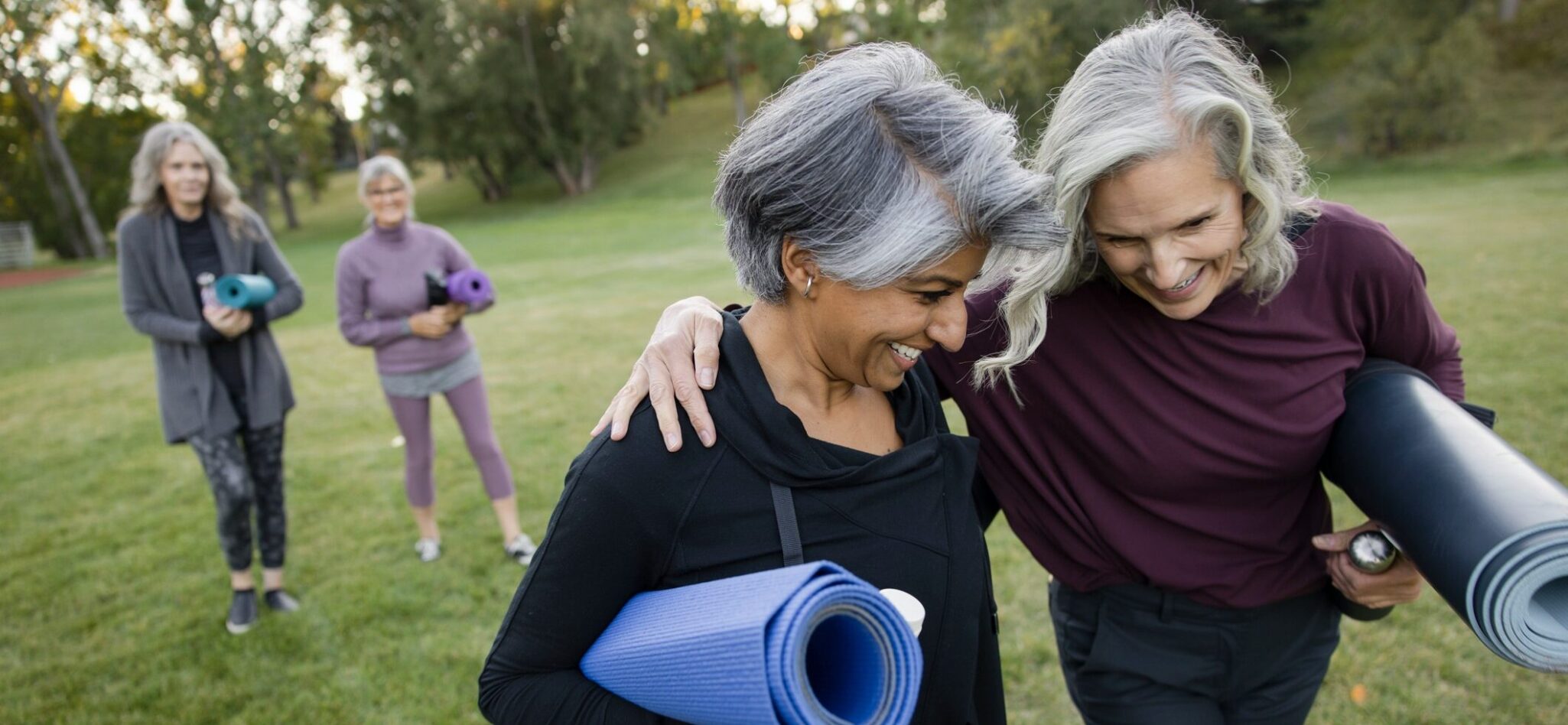
- Increased social opportunities: Being active not only gets you out and about but it gives you more chances to socialize and make new friends. To get started, consider joining a walking group, participating in an aerobics class or taking a swimming class. Having an active social life has also been shown to help active seniors stay mentally sharp.
- Brain boost: Exercise is linked to improved cognitive function and better motor skills. It’s also associated with lowering the risk of vascular dementia in seniors.
- Reduced risk for some cancers: Being physically active lowers your risk for developing several common cancers, including bladder, breast, colon, endometrium, esophagus, kidney, lung and stomach.
Creating an Active Lifestyle
We’ve covered the importance of staying active in retirement for seniors, but if it’s been years since you took a fitness class, it’s recommended you do a minimum of 30 minutes of moderate-intensity physical activity on most, if not all, days.
Exercise categories and programs to consider:
- Aerobic exercises: 30 minutes of aerobic/cardiorespiratory exercise each day — such as brisk walking, jogging, swimming and cycling — can help increase your heart rate and breathing.
- Strength and resistance exercises: Strength training routines should be done 2–3 times per week, with exercises focused on all major muscle groups (arms, legs, core). If weights are too heavy, resistance bands or bodyweight exercises — like wall sits, sit-ups and push-ups — are excellent alternatives.
- Stretching and flexibility routines: Stretching warms up and cools down your muscles before and after you exercise and also improves flexibility, which reduces the likelihood of injuries and improves your range of motion. Gentle stretching classes like yoga, Pilates and tai chi can increase your overall flexibility while being easy on your joints.
It Doesn’t Have to Feel Like Exercise for It to Be Good For You
Remember when exercise was just playtime? You can bring that joy back with simple, spirited activities that don’t feel like workouts at all. Try mixing any of these into your week for effortless movement that boosts both mood and mobility:
- Grab a hula hoop. See how long you can keep it spinning. This is great for your core and coordination.
- Skip down the driveway or around the yard. Light, fun cardio that wakes up your energy.
- Toss a frisbee or play catch. A wonderful way to stay active and socialize.
- Try rollerblading or skating. Builds balance and strength. Start slow and wear protective gear!
- Jump rope (or “ghost jump” without the rope). Excellent for your heart and lower body.
- Dance your heart out. Turn on your favorite song and move like nobody’s watching.
- Sing and move at the same time. Karaoke-style movement lifts your spirit and deepens your breathing.
These playful bursts of movement help keep your heart strong, your brain sharp, and your laughter flowing—proof that staying active doesn’t have to feel like exercise at all.
Staying Mentally Active
Physical activity is only one part of maintaining overall wellness. Keeping your mind active is equally important for healthy aging.
Activities like reading books, solving puzzles, playing board games or cards, learning a new hobby or skill, or joining a discussion group can help stimulate the brain and keep cognitive functions sharp. Many seniors also enjoy participating in book clubs, attending educational events or practicing creative hobbies like writing, painting or music.
Staying socially engaged through these activities can also help improve mood, reduce feelings of isolation and support long-term cognitive health.
Discover a True Community of Active Seniors
It can be difficult to start (and stick to) new activities on your own. That’s why many older adults choose an active senior living community like Freedom Village.
Residents find a welcoming community of like-minded neighbors who are interested in living life to the fullest. Maybe you’d like to work out with a personal trainer or take a water fitness class. Or maybe you’d rather spend your time strolling the Window on the Waterfront Trail to catch views of the tulips in spring or walking to festive Christmas markets in winter.
However you like to stay active, you’ll find opportunities to do it here. Community living can also be especially valuable during the colder winter months, when staying social and engaged can help prevent feelings of isolation.
Plus, as a Life Plan Community, our independent living lifestyle is backed with a full continuum of on-site care if it’s ever needed.
To learn more about our community, contact us here.